Sunday, November 5, 2023
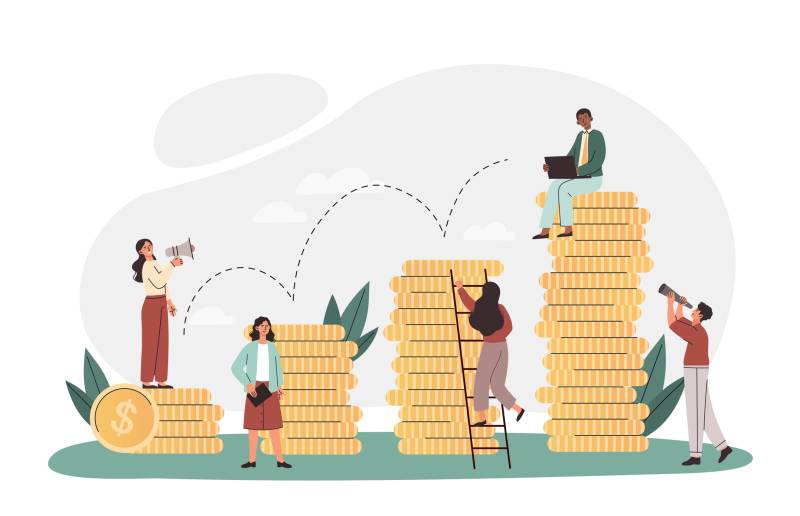
The topic of my blog is personal finance. I will talk about how to become more knowledgeable about saving money, managing
personal spending, investing, and planning accordingly. I want to talk about personal finance as
my blog topic because I am personally interested in learning how to manage my finances and I
feel that gaining knowledge in this subject will be beneficial to my personal life. A huge reason
why this topic interested me and why I felt this was an important topic to blog about, is because
most people will go their whole lives without taking some course or education in personal
finance. Personal finance classes are scarce in high school and I feel that it should be taught to
everyone in the education system. I also feel that when gaining skills in personal finance people
will increase their likelihood of achieving financial goals and dreams in their personal lives.
Whether the reader is a business owner or a college student managing income for the first time,
literacy in personal finance is crucial for personal success.
Mortgage 101
Owning a house is a key moment that anyone will cherish for the rest of their lives. Owning property is a wise decision because it will add equity to your name, along with potentially appreciating in value over time if you wish to sell. Houses are obviously expensive and paying the full price for a house upfront is not always realistic. A great alternative is a mortgage, which is a loan used to finance the purchase of a house or property over time.
The mortgage business and real estate have some tricky terms that will be important to know when becoming a home owner. For example, interest and interest rates are vital to understand when buying a house. Interest is the cost of borrowing from a lender. Interest rates often fluctuate depending on the state of the market. Another term that might be thrown around when buying a house is principal. Principal is the amount the borrow of a loan owes the lender. The principal value will decrease over time as you make more payments. Loan term determines the lifetime of your mortgage and how long you will be paying off the house. There are multiple lengths of loan terms but usually when talking about mortgages 15 yer and 30 year mortgages are common. Down payment is something that may determine the length of your loan term. Down payment is the payment that has been made at the beginning of a house purchase.
When talking about loans it is important to understand which type of loan is best for you. The two main types of loans are fixed rate mortgage and adjustable rate mortgages. Fixed rate mortgages are the most common mortgage, they are monthly payments on a house with interest rates that stay the same for the remainder of the mortgage lifespan. This means that if interest rates rise or decrease, the fixed rate mortgage payment will stay constant. This is a huge benefit because your mortgage will stay constant no matter how the market performs. A negative for this type of mortgage is if you bought the house with high interest rates, your interest on the house will stay at the same high level no matter what. Adjustable rate mortgages are loan payments that start with lower interest rates and monthly payments and eventually adjust periodically. This adjustment affects your interest rate. How often your loan adjusts is based on the lender as it can vary. A benefit of this loan is the ability to get a lower payment and interest rate, especially if the current market had unfavorably high interest rates. A downside to this type of mortgage is that your interest rate on the mortgage may go up overtime depending on the current state of interest rates.
Retirement Planning 101
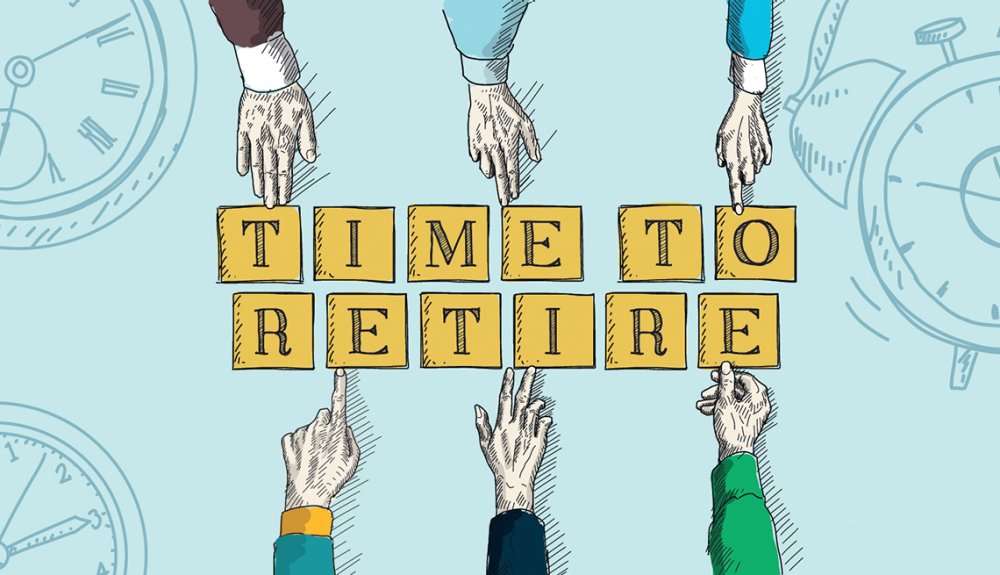
For many people, having a long, fruitful career is followed by the next phase in life, retirement. Retirement is a rewarding part of life that should be spent with friends and family, but the road towards retirement will be much smoother and enjoyable with a retirement plan. It is important to note, it is never too late to start saving for retirement.
One huge way to plan for retirement is to open a retirement savings account as soon as possible in order to reap the benefits in the future. A couple retirement savings accounts you may have heard are Roth IRA and 401K. I will be discussing what both of them are, benefits they may contribute and differences between the two. Although, there are many other retirement plans, I will be discussing these two because of accessibility and relevance. A Roth IRA is a contribution savings account that is usually managed by the individual, rather than being tied to an employer. A huge benefit for having a Roth IRA is that there is no age limit for contributing to a Roth IRA, meaning you can start now. Any investment earnings will be tax free in a Roth IRA but taxes will be paid upfront on your contributions to the retirement plan. Additionally, qualified withdrawals from this retirement plan will be tax-free. 401K retirement plans are provided by employers and are contributed by the employee and employers alike. A portion of your check will be contributed to the account and your employer will also contribute a percentage into the account, as well. A huge benefit to a 401K is rollovers. If you have a 401K plan with an employer, for the most part, if you obtain a new job and employer, the 401K plan will rollover to the new employer. Money saved in a 401K may be invested in numerous ways and will not be taxed immediately, helping investments grow over time, tax-free.

Another great way to plan for retirement is saving and investing for the future. Besides a retirement savings account, it is wise to save additional money for retirement. According to the United States Department of Labor, "only half of Americans have calculated how much they need to save for retirement." this statistic is astonishing because this means that half of Americans are underprepared for the future. The average American will spend twenty years in retirement, for most people that is one fourth of their lives, so saving for that last portion of your life will be crucial in the long run. A great method of saving is to start saving small amounts and every month increase the amount you save little by little. Another important piece of advice is to not use any of your retirement savings. Most retirement plans will penalize the owner if they withdraw contributions from a fund too early. Investing will also be a great contributor in the long run towards retirement. a few rule of thumbs when investing is to have a diversified portfolio of different stocks, bonds, etf's, and real estate in order to minimize risk. Furthermore, investing long term is generally the way to go when looking at returns on investment.
Budgeting 101
The goal of Personal Finance Pathways is to help all readers reach their own financial goals and dreams. A key topic in personal finance is budgeting and money management. It is important to establish what exactly budgeting is and why it is a vital skill to learn and perfect in our daily lives. The simplest and most effective definition of budgeting I could find comes from Merriam-Webster dictionary. Budgeting is "a plan for the coordination of resources and expenditures." This definition perfectly sums up the basic gist of this blog post. We will be discussing how to plan the use of our resources in order to be prepared for anything life throws at us.
A great strategy to use when planning a budget is the 50/20/30 rule. This rule divides your budget into three categories. The first category is 50% of your budget which will be allocated to fixed expenses. This is the most important part of your budget which is why it should take up 50% of your income. Fixed expenses are your needs in life and as stated earlier, fixed expenses may be rent, insurance, taxes, and utilities. Next, 20% of your budget will be allocated to savings and financial goals. This 20% may be the hardest category to stay disciplined when saving, but it will pay dividends in the long run. This category is important because it is smart to always have income saved in case of an emergency or unexpected expenses that are not accounted for. Furthermore, this category may be used to invest in yourself. Aside from an emergency fund, this income may be used to contribute to retirements funds such as a 401K or Roth IRA. It may also be used for investments or future purchases that will contribute in the long run, such as property. The final 30% is your wants in life. This is the category that we all love because it is responsible for paying for entertainment, shopping, subscriptions, and personal care.
Sources:
https://sfs.mit.edu/manage-your-money/budgeting/how-to-budget/
https://www.nerdwallet.com/article/finance/budgeting-for-college-students
https://www.cnbc.com/select/budgeting-tips-for-college-students/
https://www.merriam-webster.com/dictionary/budget
https://www.investopedia.com/ask/answers/022916/what-502030-budget-rule.asp
https://www.scu.edu/media/mobi/eng-sab-resourcedocs/Fixed-and-Variable-Costs-QSE.pdf
Subscribe to:
Comments (Atom)
Introductory Post The topic of my blog is personal finance. I will talk about how to become more knowledgeable about saving money, managin...
-
Introductory Post The topic of my blog is personal finance. I will talk about how to become more knowledgeable about saving money, managin...